Online Library
of Liberty
Spanning the centuries from Hammurabi to Hume, and collecting material on topics from art and economics to law and political theory, the Online Library of Liberty provides users with a rich variety of texts to explore and consider.
Our work focused on a core piece of the larger OLL platform: how individual books are read and interacted with. I was part of a small team of three, alongside the head of experience design and a dedicated UX designer.
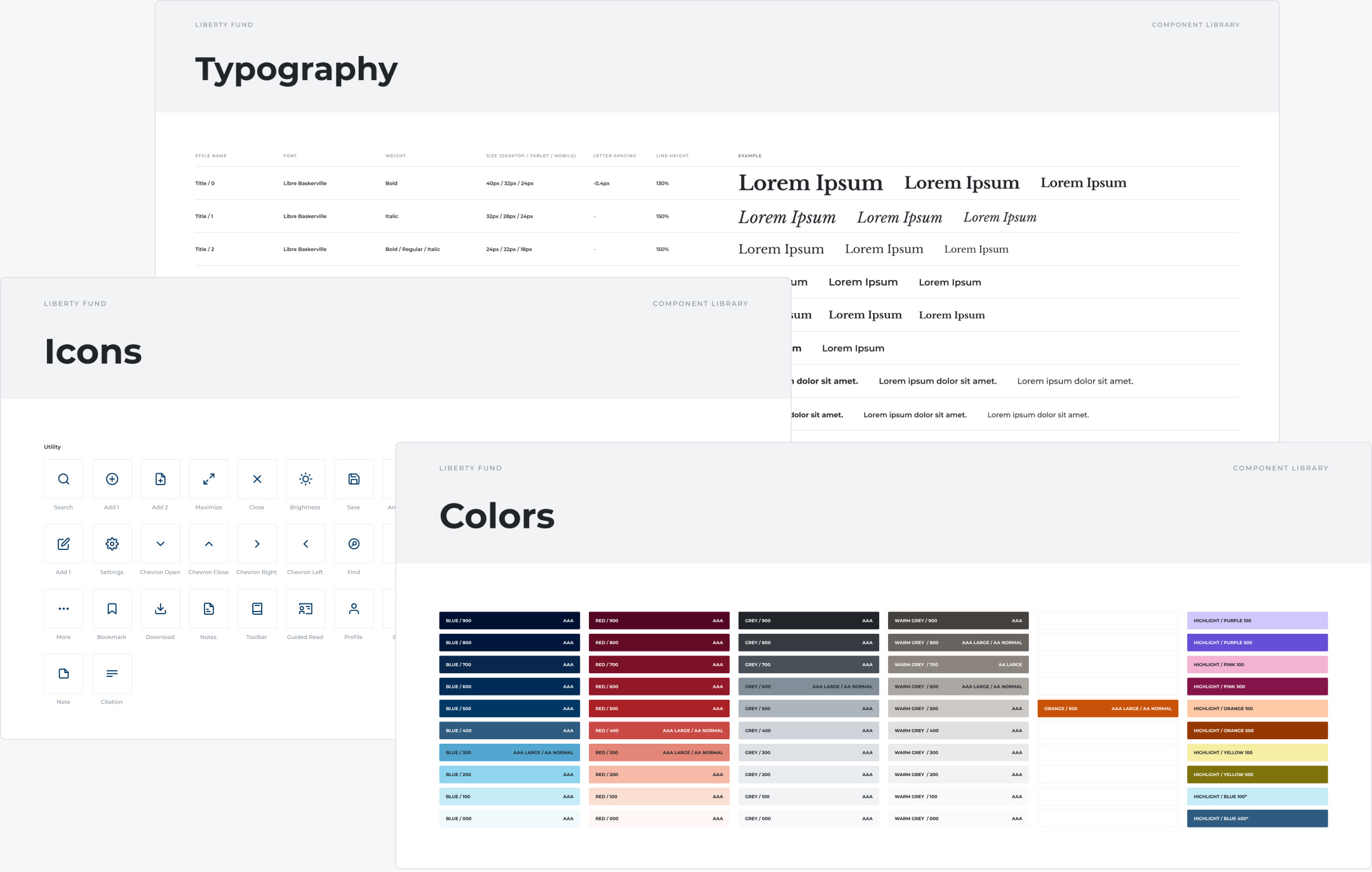
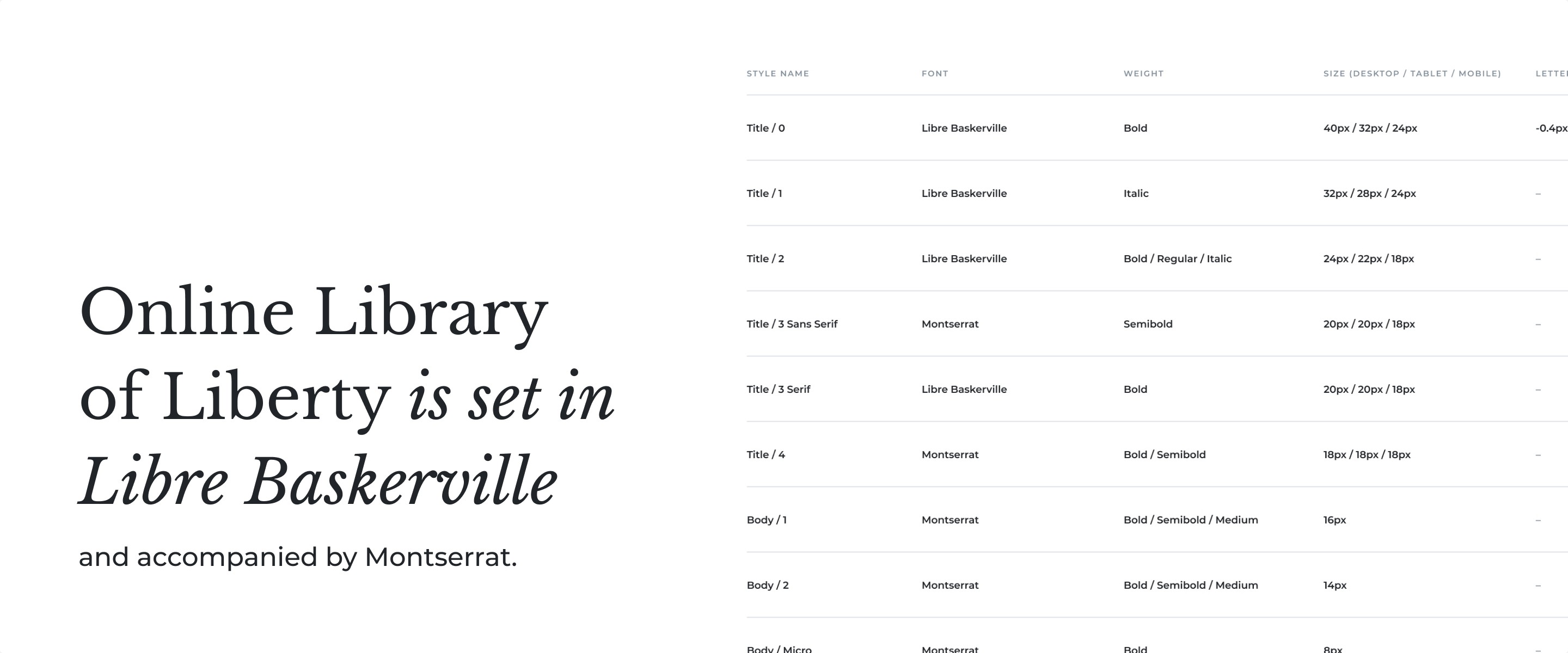
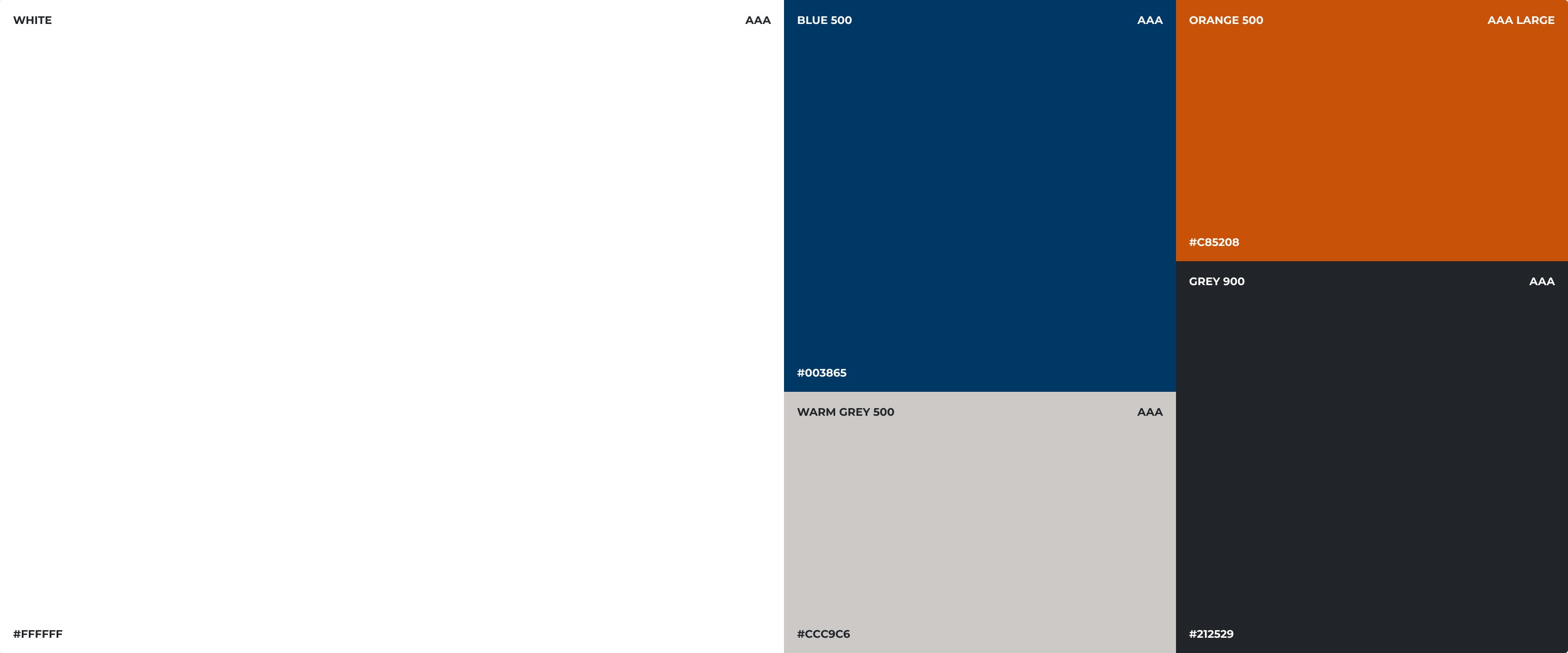
Together, we completely redesigned how users interact with a book's content, from navigating and citing passages to a distraction-free, ebook-like reading experience. I led the visual direction throughout, updating the brand with new colors, new fonts, and a more sophisticated, ownable look for the product.
A new look
New colors, new fonts, a sophisticated ownable look.
A modular page design built to adapt to every form of content across the Online Library of Liberty
At the top of the page, you'll find the basics of the book. Content you'd expect and a few unexpected features in the toolbar. Anchoring the page is a hero image that adapts depending on which of the 13 top-level topics the book falls into. Allowing the Liberty Fund editorial team to customize each book page while retaining overall consistency.

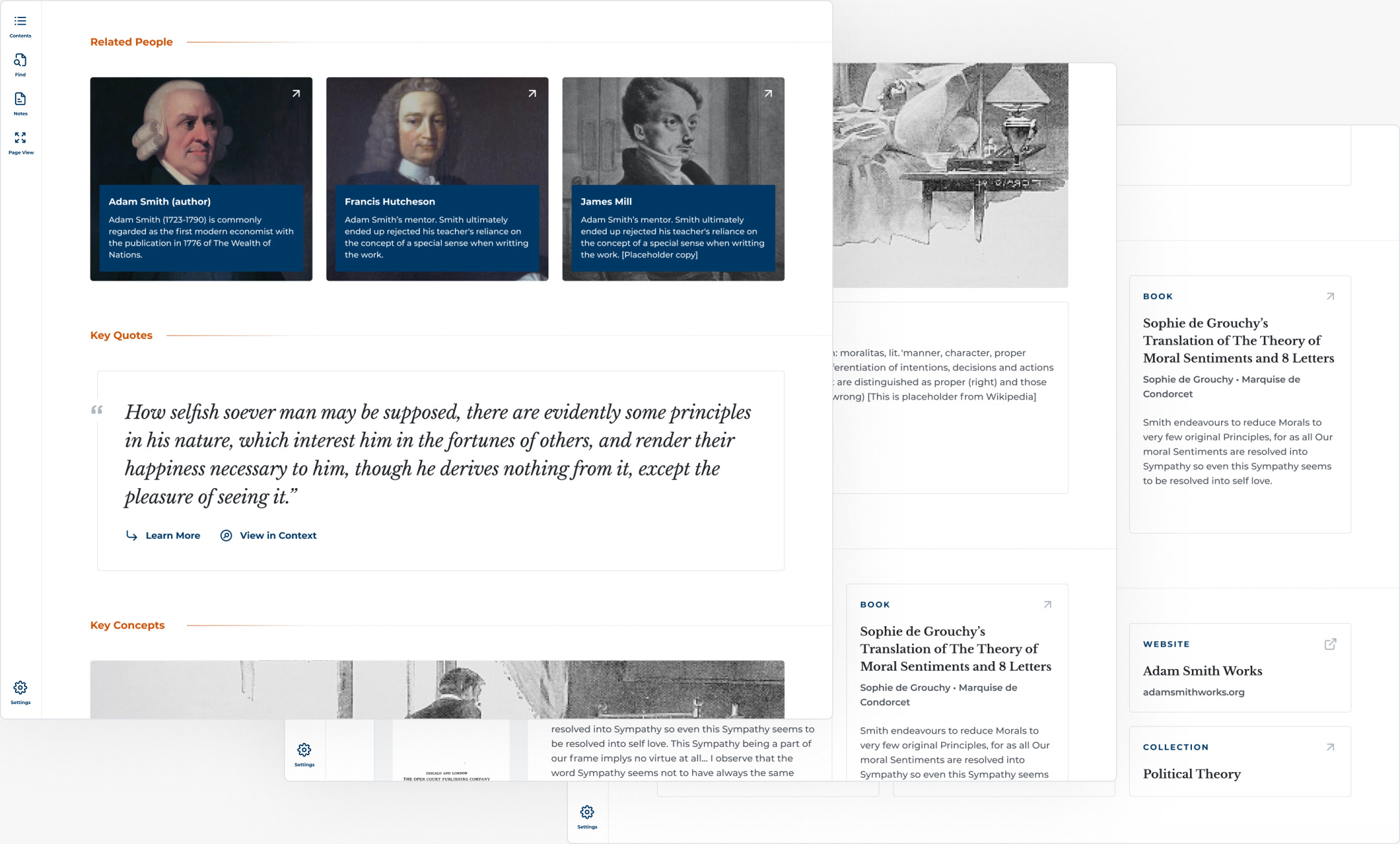
A crafted “wiki” section adds depth to each book through authors, key quotes, key concepts, and more. The Liberty Fund editorial team can add as much or as little context as needed, expanding individual book pages over time.
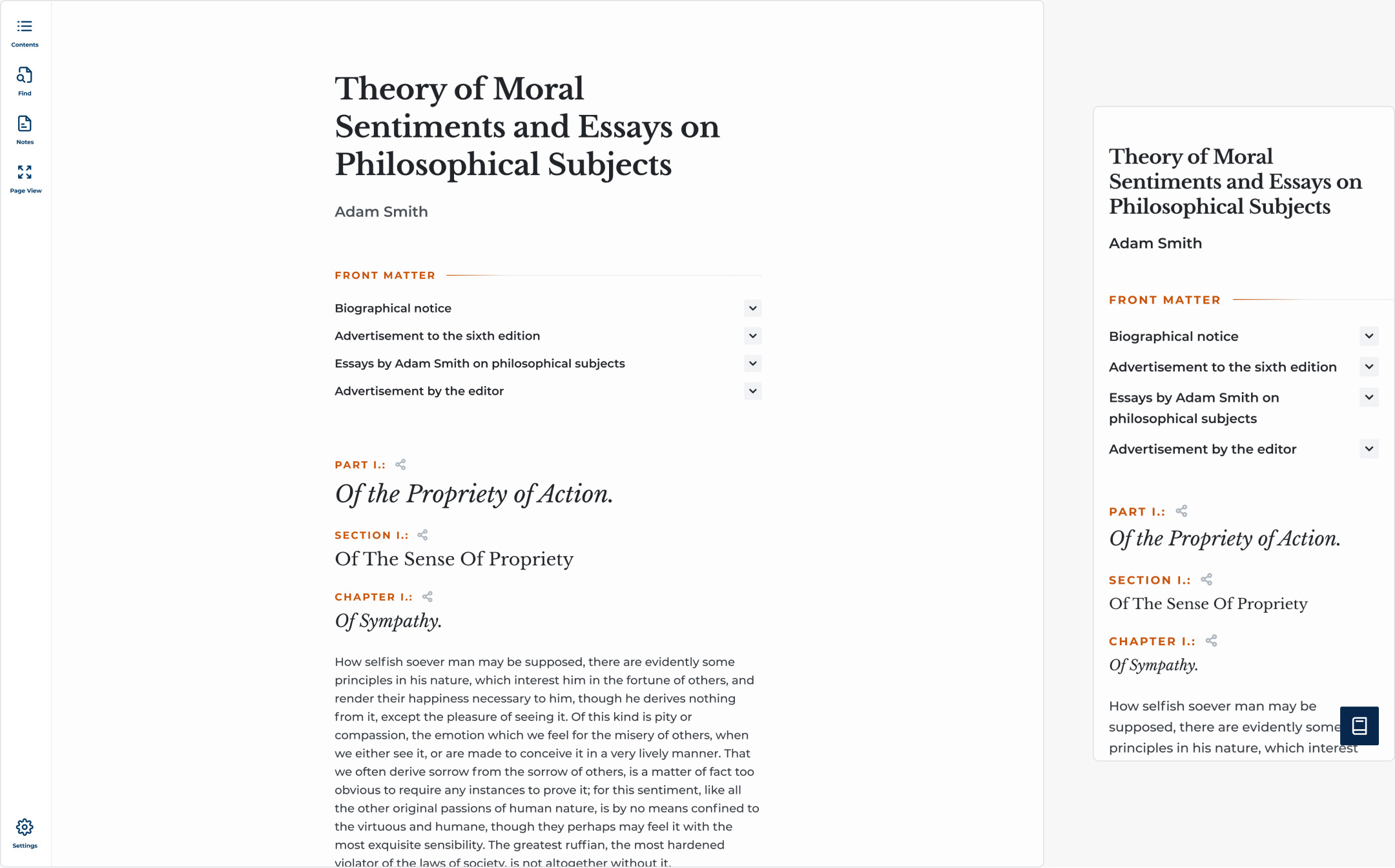
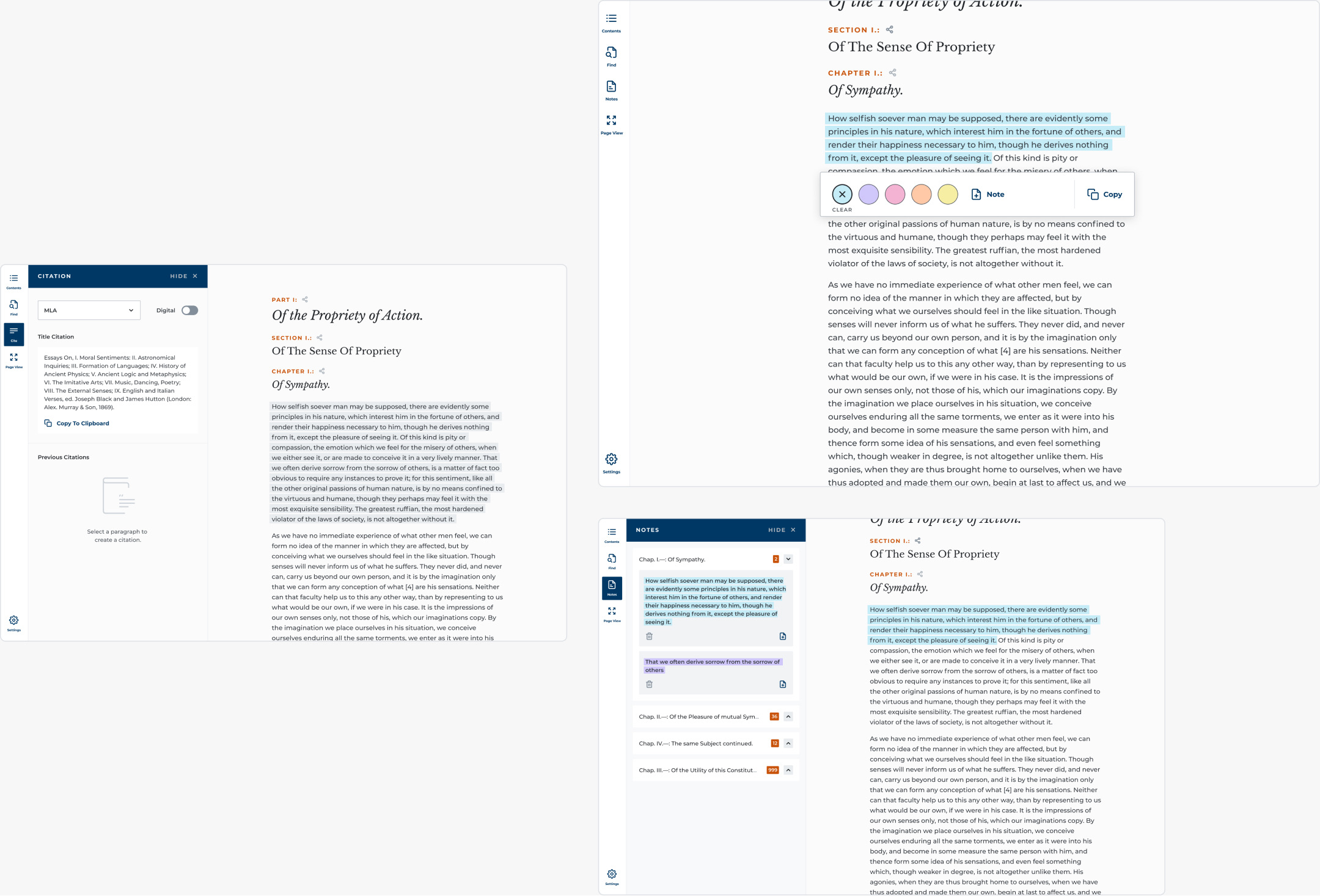
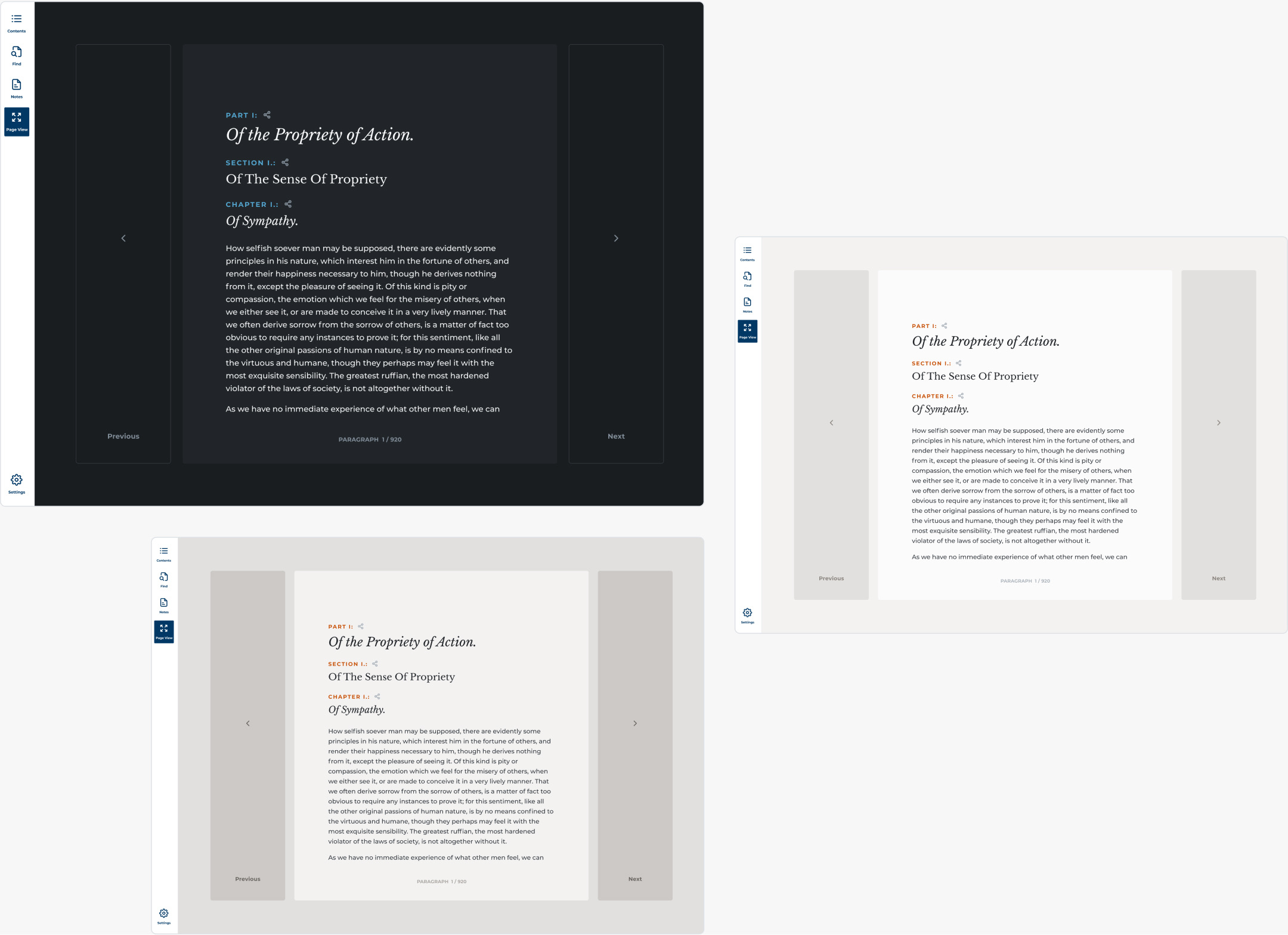
Flowing from the wiki section users can engage with the book's content in a distraction-free experience. With the toolbar always at their disposable, users can find, cite, note-take, and select page view for an ebook-like experience.
Is it toolbar or toolbox?
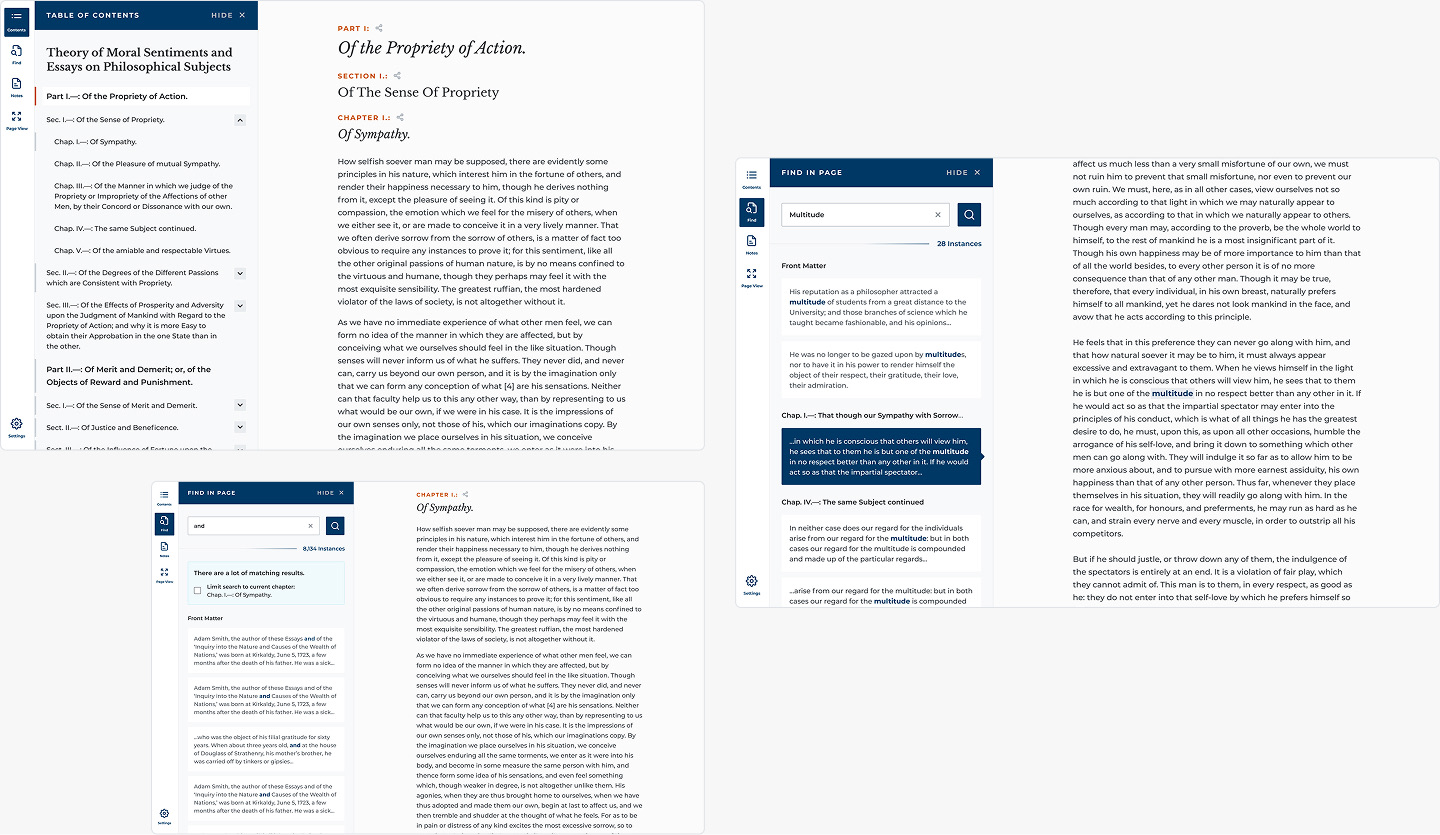
A sticky toolbar where users can navigate, find in page, take notes, and cite content. Settings allow users to customize font, size, and color settings.
Behind the scenes
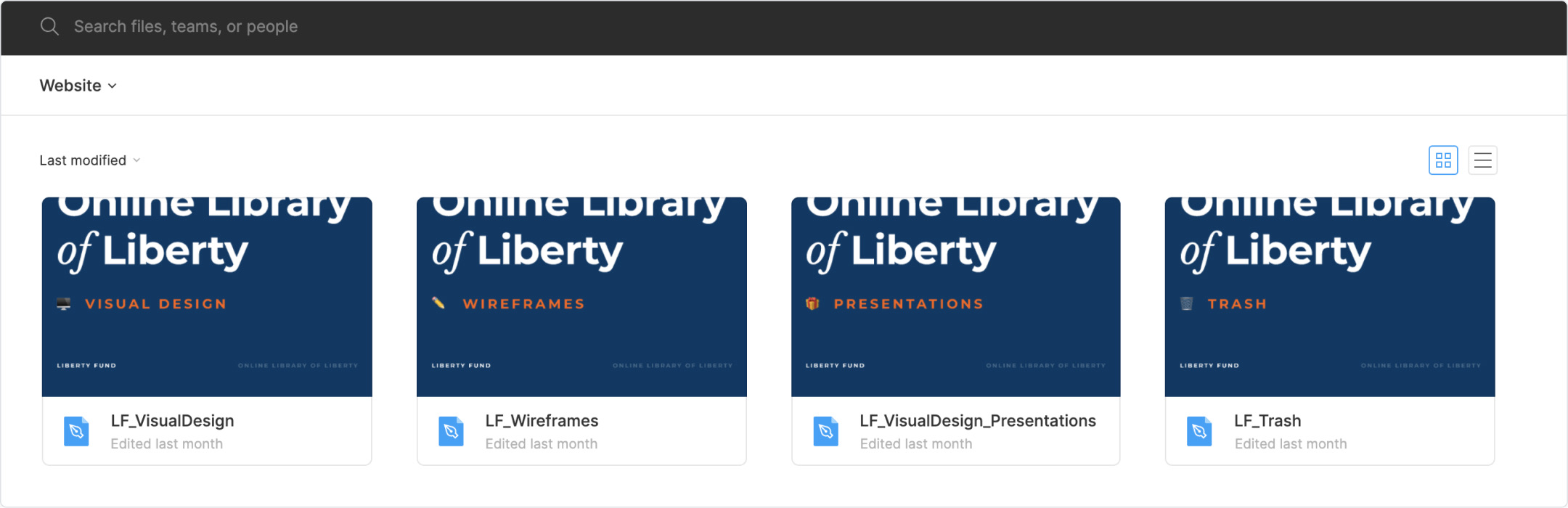
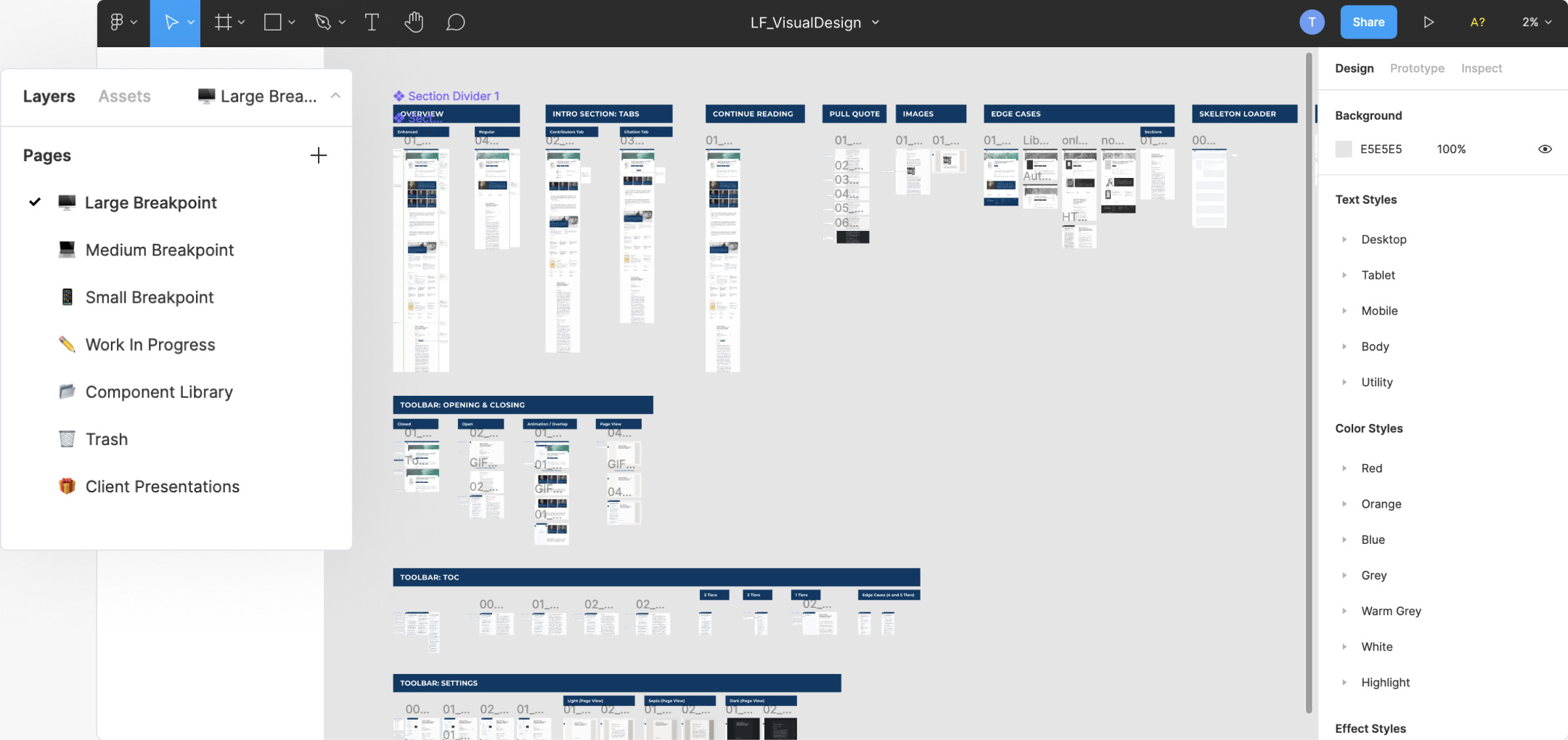
Behind all good design is a system of design. Multiple Figma files, all linked to a central component library, tracked the project's progress at every stage. The challenge was building a system as expandable as the product it supported.